This lecture takes you to the most inspiring and impactful trends for 2040 and much more. But are we also safe in the world of tomorrow? And what does the future hold for organisations and leadership? How do we manage uncertainty? Interesting for all audiences. Customisation possible.
How generative AI is taking over the world. Brace yourself for the next step in AI. Meet the biggest AI shake-up that has ever occurred and discover how ChatGPT and other generative AI applications and models are turning the world upside down. How do we deal with this?
Dominated by exponential technology and disruption, the world around us is changing rapidly. As an organisation, how do you deal with these changes? How do you successfully manoeuvre towards the future? Which steps can you take?
Receive the free newsletter every month with the latest trends, research, predictions, white papers, e-books and articles from our research team.
Experiences
Sorry, your ID is maybe not correct (If you did not place any ID that means auto-detect does not work.). And please make sure that your selected element is developed with Swiper.
“With your presentation you awakened the customs organisation. At the end of the day it turned out that your presentation had made the biggest impression. You made sure the issues were put on Strategic Management’s radar.”
Alex Drost
Director Dutch Customs
“Great keynote that really opened our eyes. Sparkling and energetic, from beginning to end. Thanks Richard, for showing us this different view of the fitness market and its future.”
Arjan van Dijk
Director
“The symposium ‘Airpower in the Information Age’ was a great success. Nothing but positive feedback from the participants. In no small part thanks to your commitment and dedication, we were able to achieve this result.”
Alexander Schnitger
Lieutenant-General Royal Airforce
“An impressive and noteworthy presentation for our employees and customers. The rate at which change is happening – which you eloquently brought across in your energetic speech – requires a disruptive approach. To be continued!”
Rob Pols
CEO ATOS
“A dazzling journey through new technology. The enthusiasm and energy during his presentation, combined with the visuals, provided a successful kick- off to our event.”
Patrick Steemers
Partner Deloitte
“Your contribution was particularly dynamic and inspiring! The participants experienced recognition, awareness and certainly, a wake-up call. In short, an excellent contribution through a highly professional performance.”
Jan Struijs
Commander Dutch Politie
Why choose Richard as a speaker?
Inspiring keynote speaker
For over 10 years, Richard has been a highly sought-after speaker for renowned global organisations and is among the top international speakers. He is also the founder of the future intelligence agency, Trendforce.one
Mindset
His passion is to inject a fresh new mindset that helps individuals and organisations understand, embrace, and explore the world of tomorrow.
Publications
Through his future intelligence blog, he shares new insights weekly about the future, inspiring trends, and the latest developments. There are over 2000 articles and more than 60 books and e-books available.
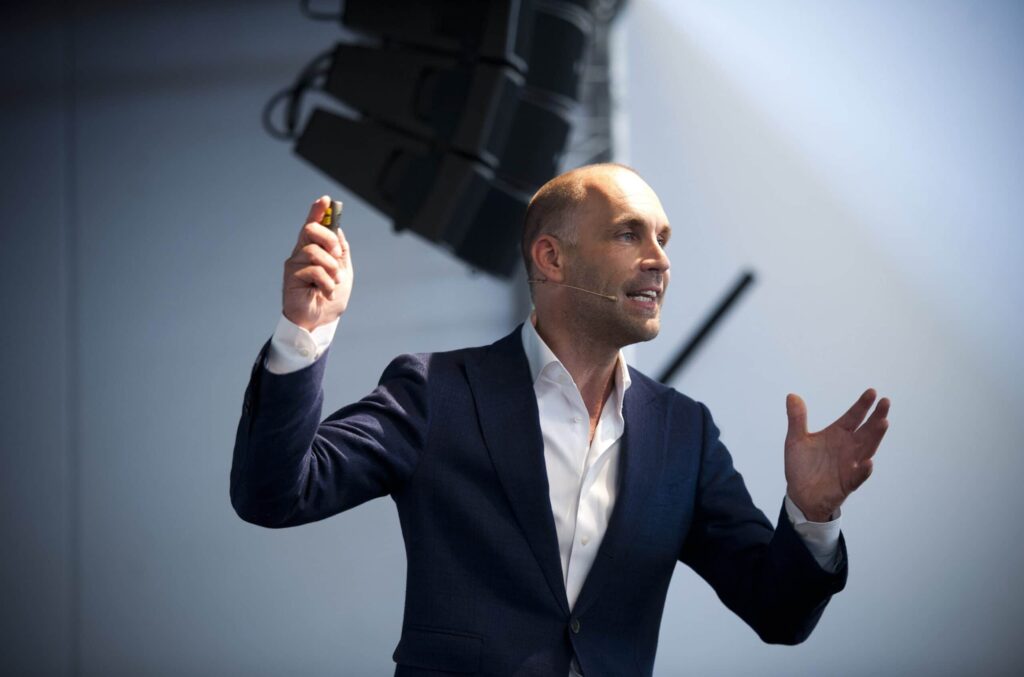
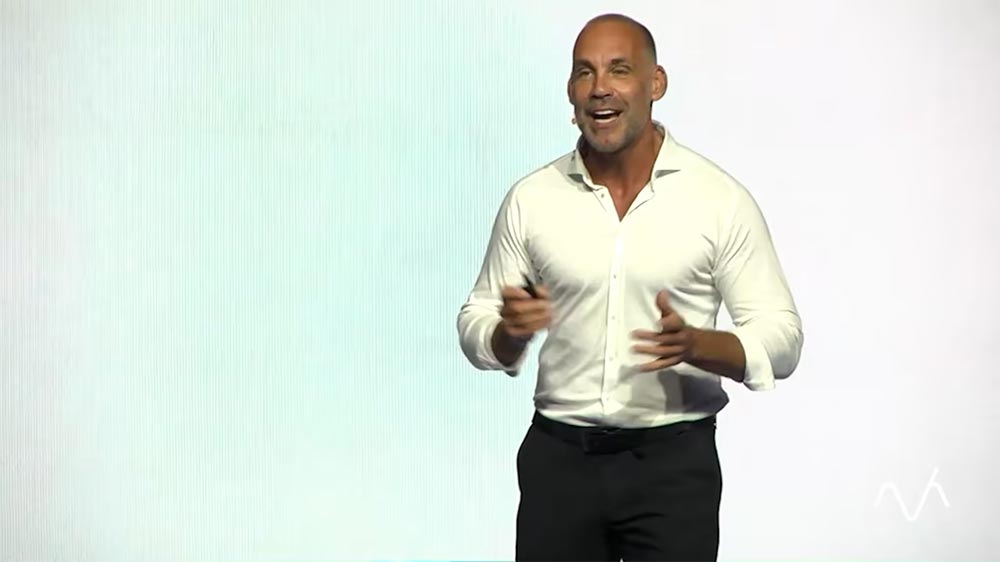
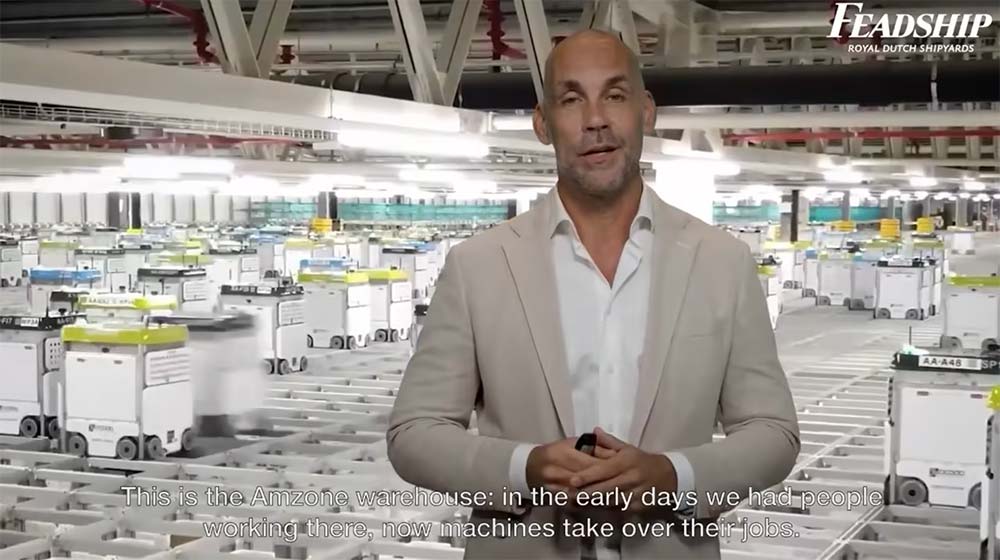
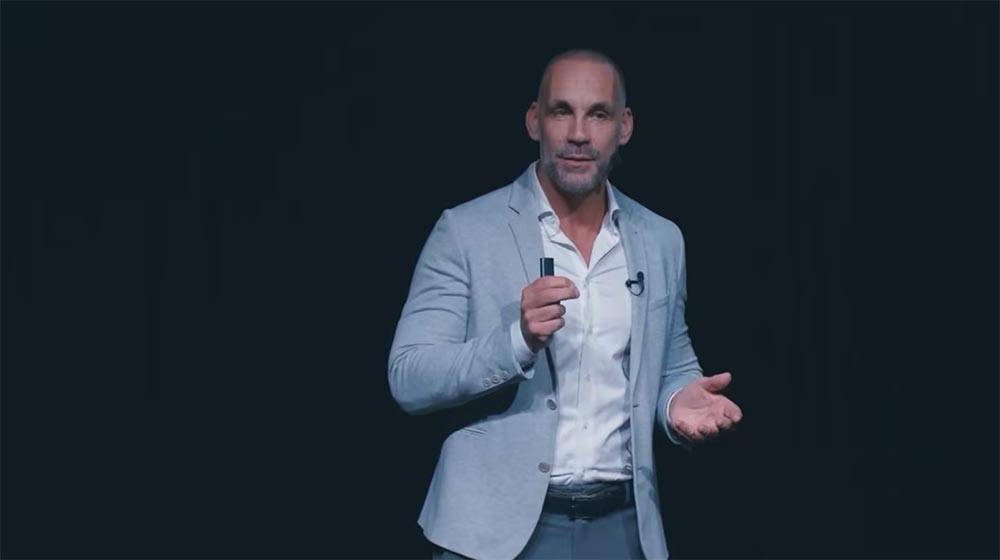
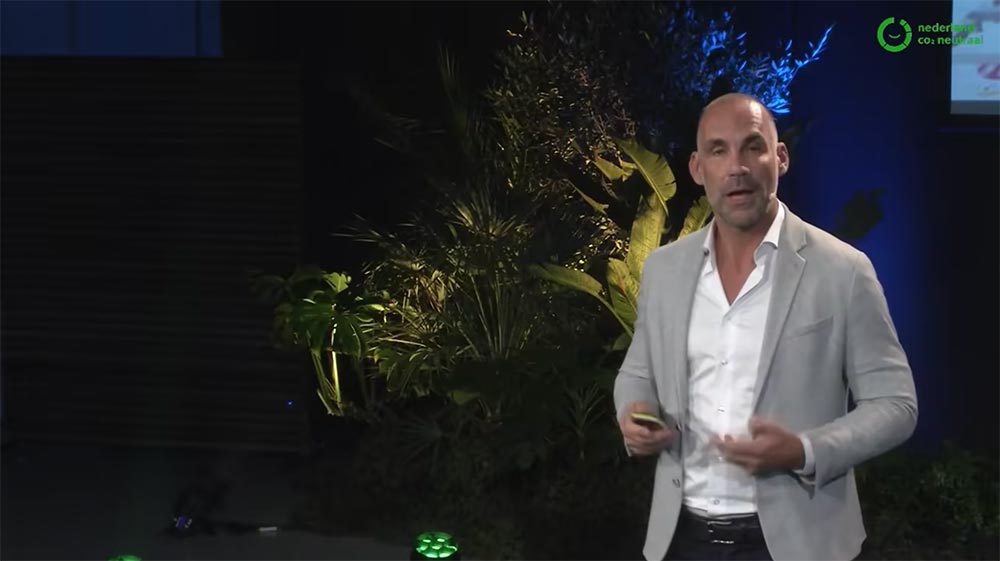
Trendwatcher, futurist and international keynote speaker Richard van Hooijdonk takes you to an inspiring future that will dramatically change the way we live, work and do business.
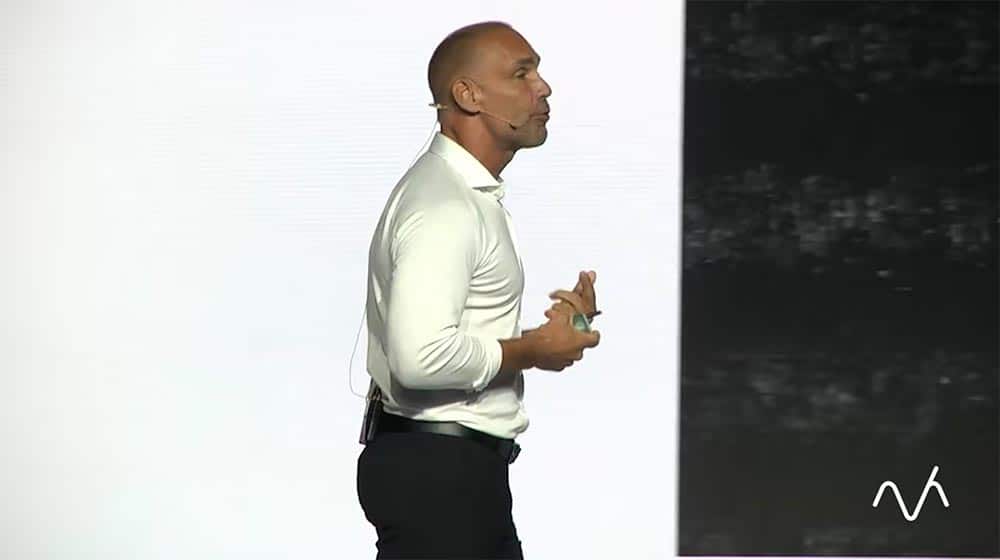
As a futurist, keynote speaker and trendwatcher, Richard van Hooijdonk is an authority on new technology. He has several chip-implants, because he wants to physically experience the future. His inspiration sessions have been attended by over 600,000 people. Richard is a regular guest at radio and television programs.
With his international research team, he researches many trends in the fields of artificial intelligence & generative AI, robotics, drones, self-driving systems, 3D & 4D printing, sensors, blockchain, quantum computing, neurotech, biotech, platforms, and augmented & virtual reality. Combined with artificial intelligence, these technologies offer groundbreaking opportunities, but also lead to challenges and threats for people, organisations, and governments.
Interested in
a lecture?
Are you interested in booking a lecture for your event or would you like more information? Complete the form and Richard will contact you as soon as possible. You can also call +31 6 41 33 00 00